Archives de catégorie : Suchan Kinoshita

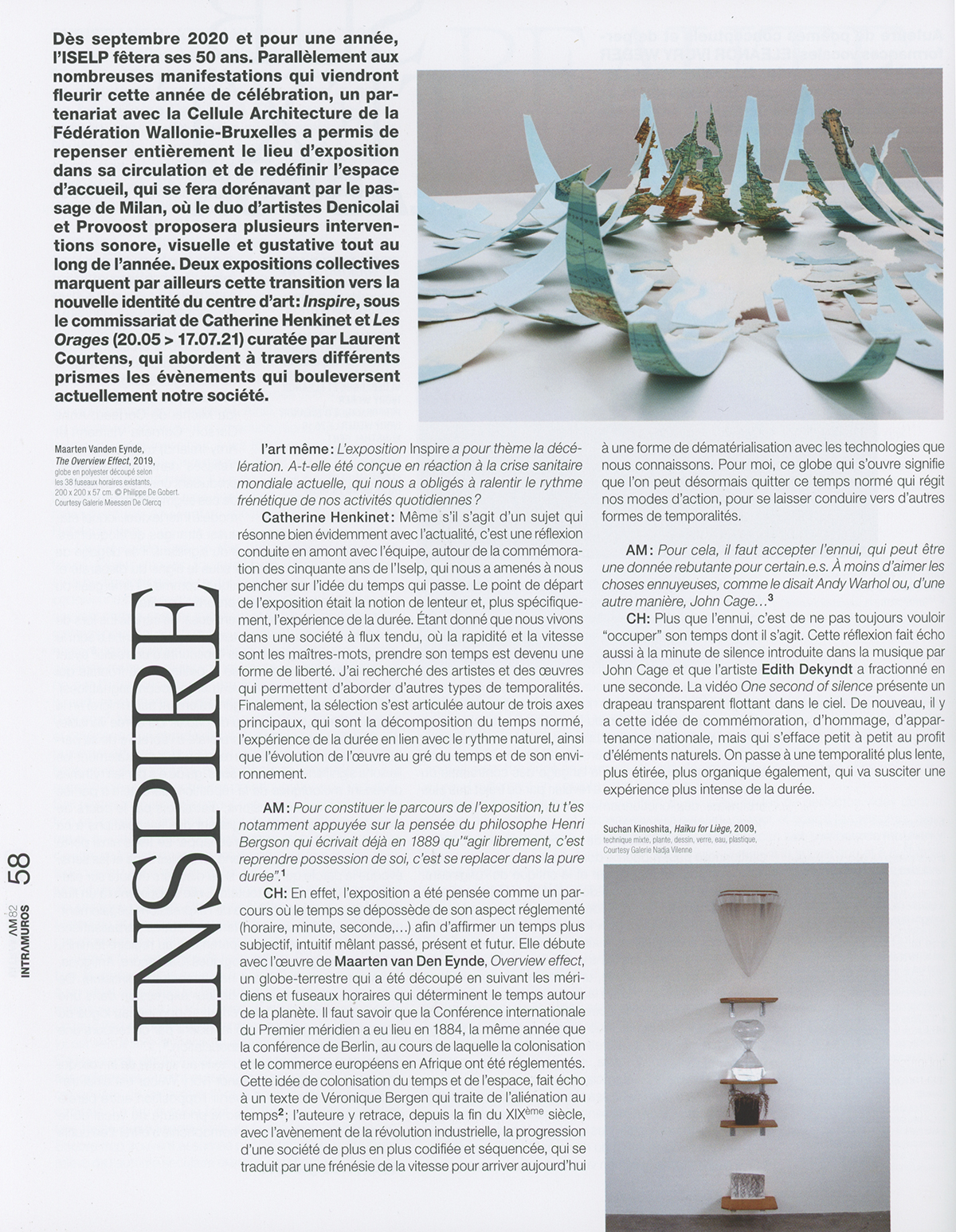
Suchan Kinoshita, Renovation, BOZAR, une introduction

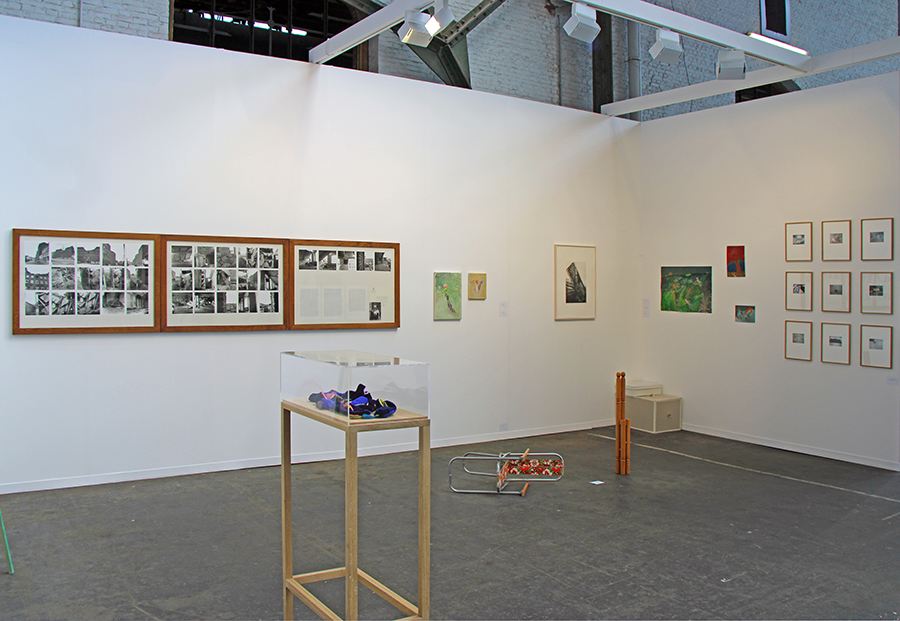
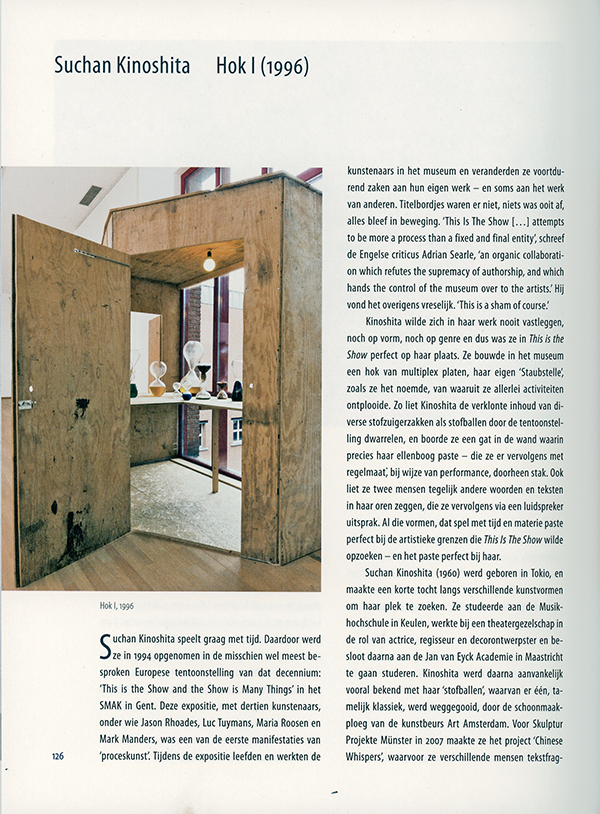
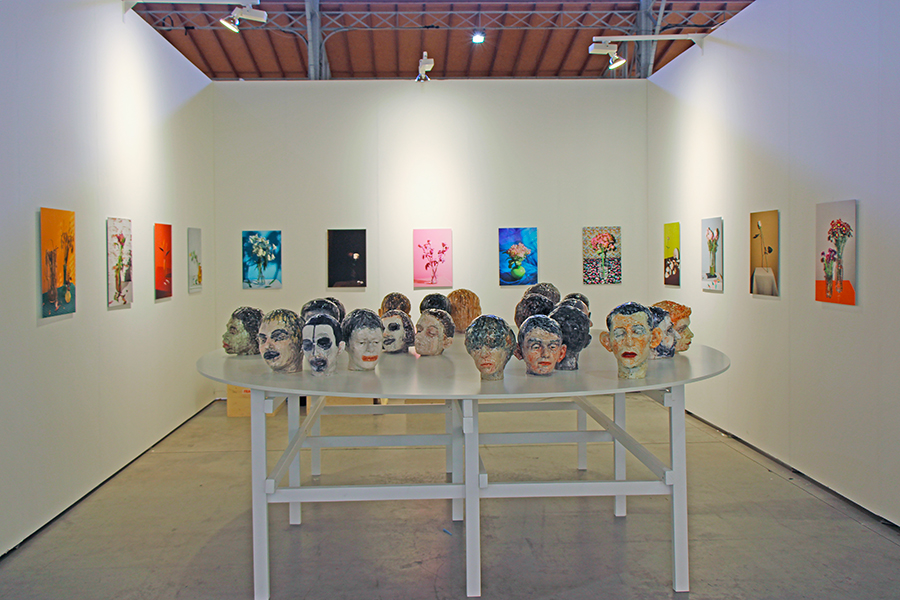
L’exposition Renovation de la lauréate du BelgianArtPrize 2025 Suchan Kinoshita (Tokyo, 1960) prend le parti d’utiliser comme point de départ les salles dites antichambres du Palais des Beaux-Arts, telles qu’elles se trouvaient à la fin de l’exposition précédente, pour créer une nouvelle mise en scène. Certains éléments toujours présents y ont été transformés et certains espaces dormants ou invisibles au public y ont été réactivés.

Du terme italien « anticamera », les antichambres désignent généralement des espaces d’introduction ou d’attente précédant les pièces principales d’une demeure. Elles se relient aussi au « genkan », l’espace intermédiaire d’accès à la maison japonaise, qui est régulièrement présent et questionné dans l’oeuvre de l’artiste.

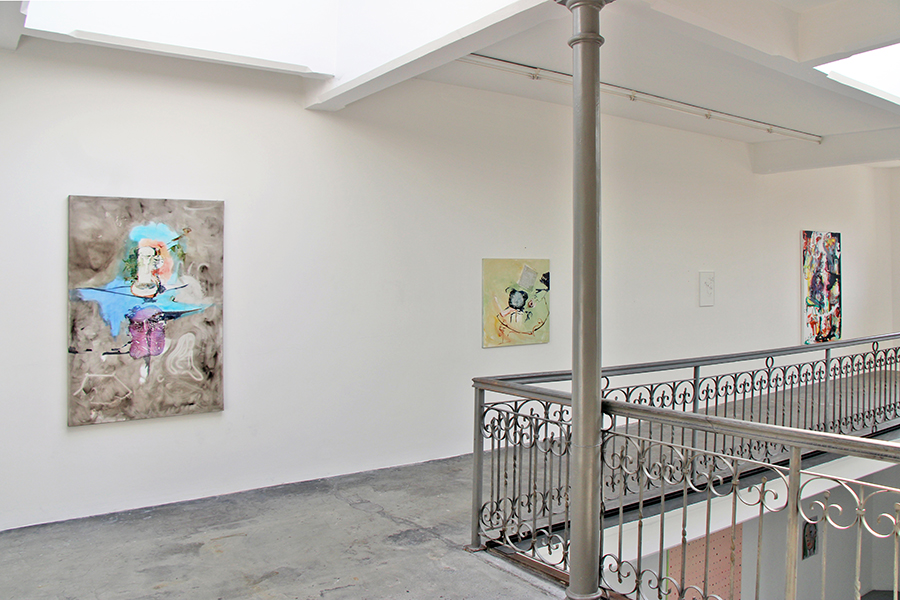
Retrouvant ainsi temporairement leur entrée historique par la rue Royale, ces salles ont pu en majorité être littéralement « découvertes », débarrassées de leurs bâches qui occultaient de façon quasi permanente les verrières, afin de retrouver une lumière qui varie naturellement en fonction de l’heure et du temps.

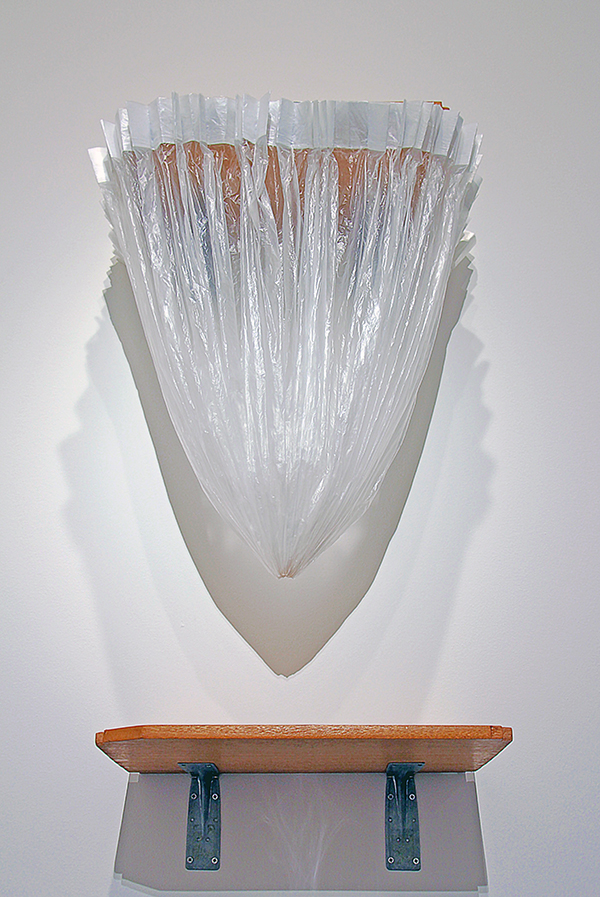
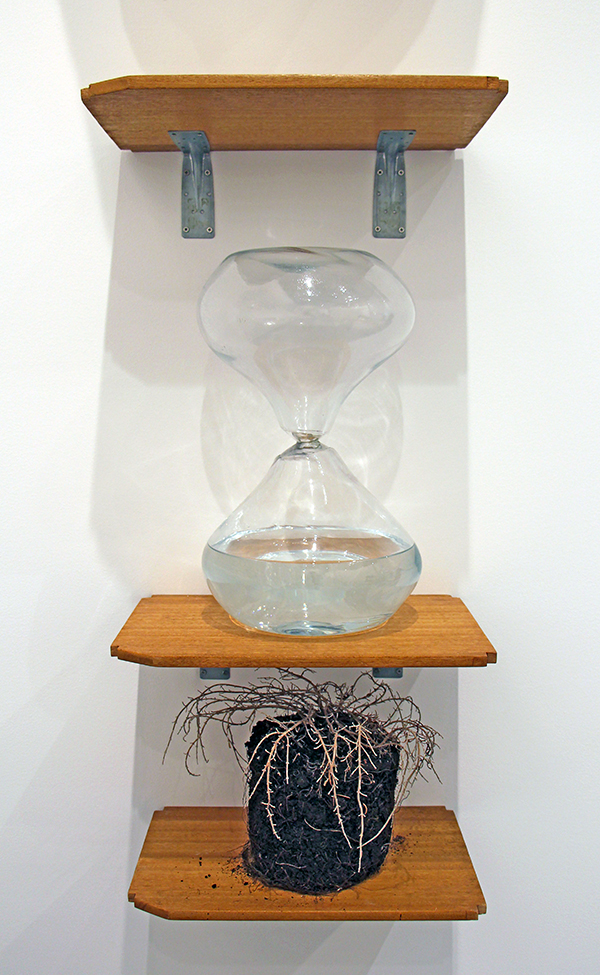
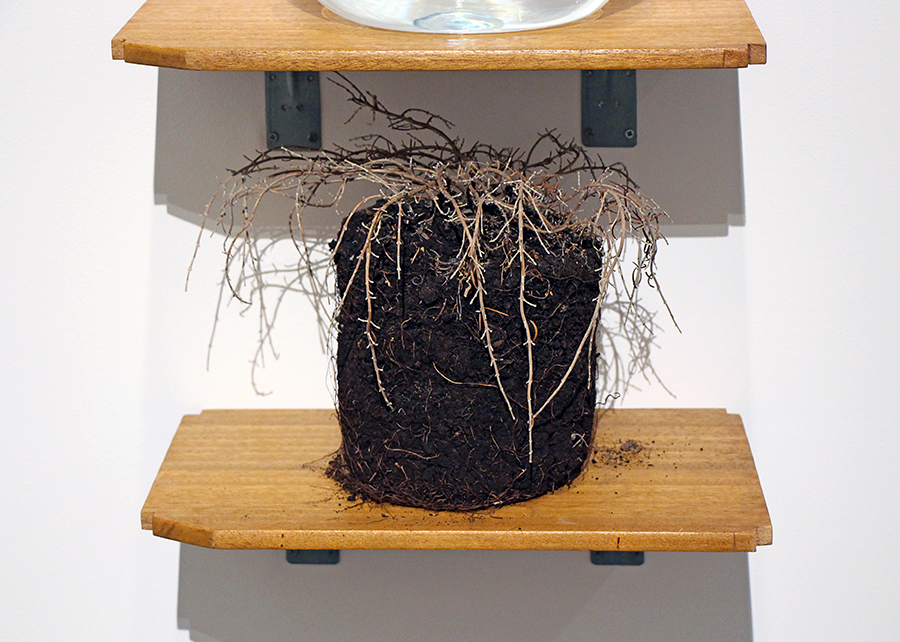
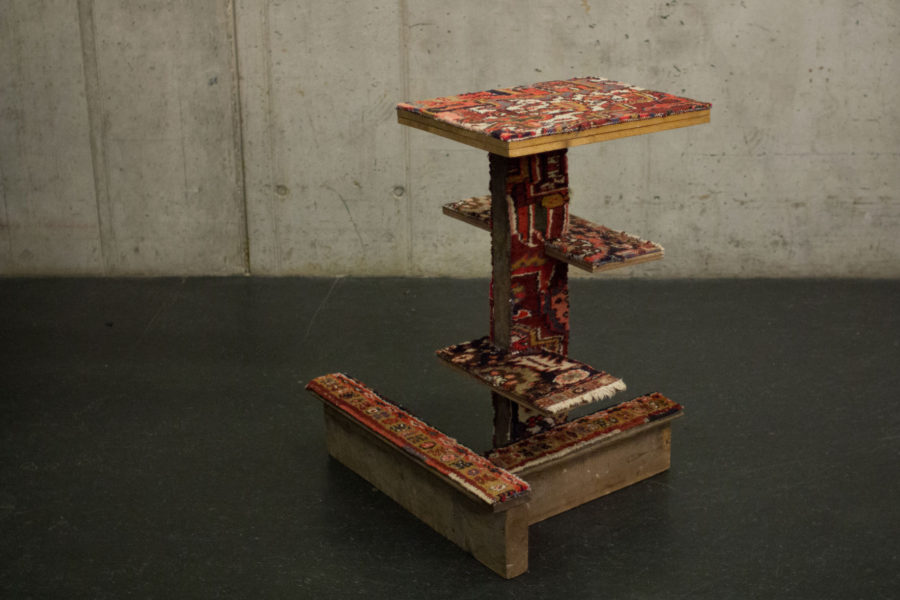
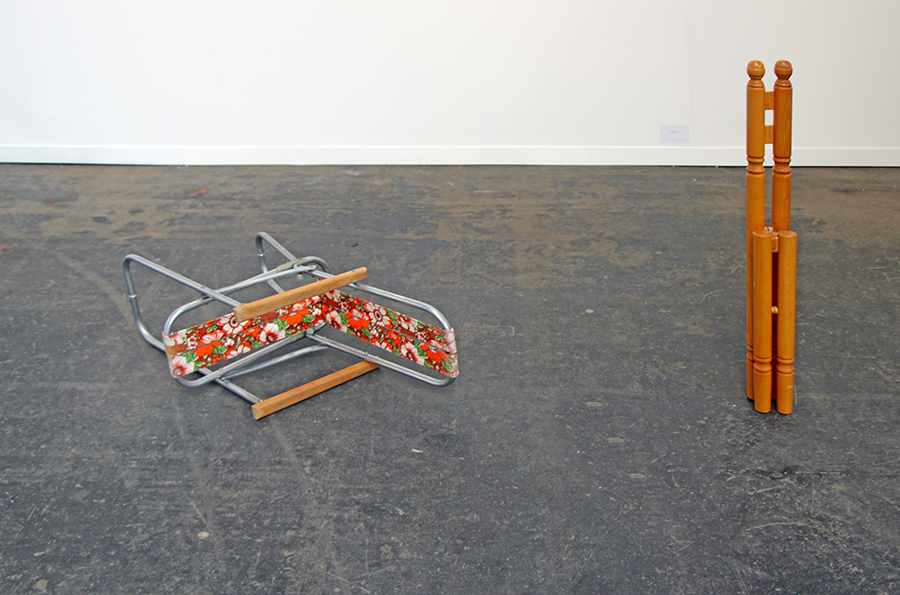
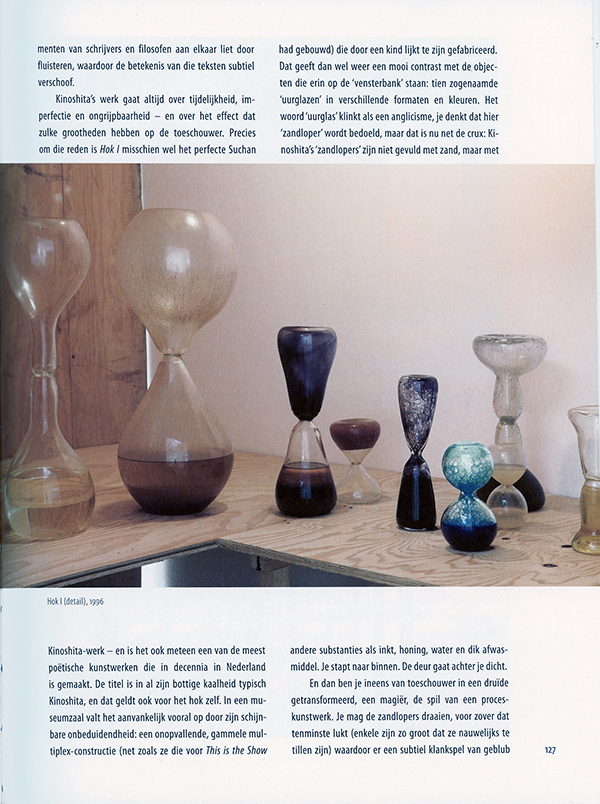
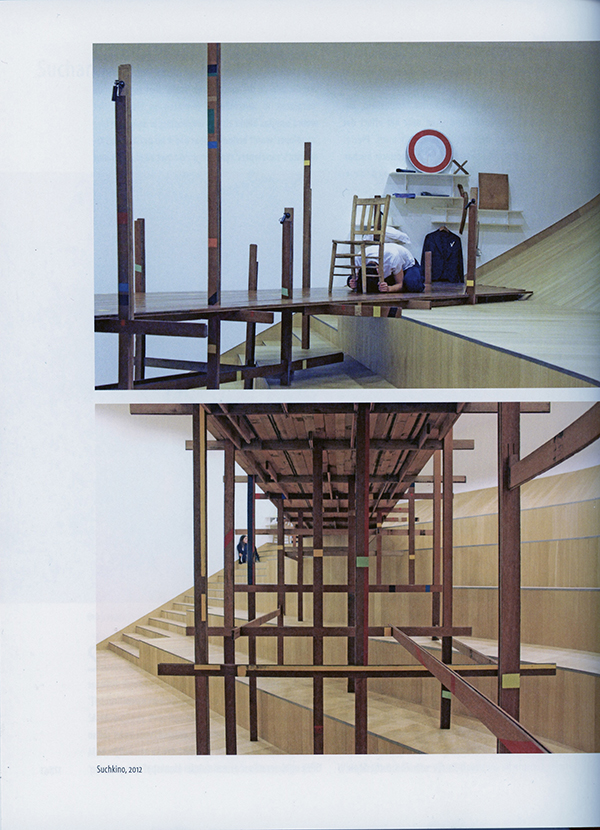
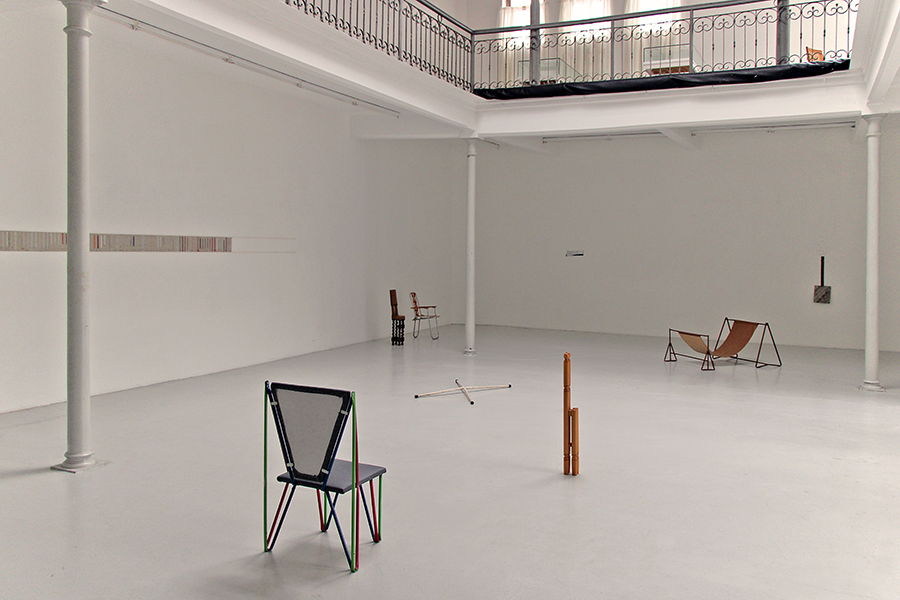
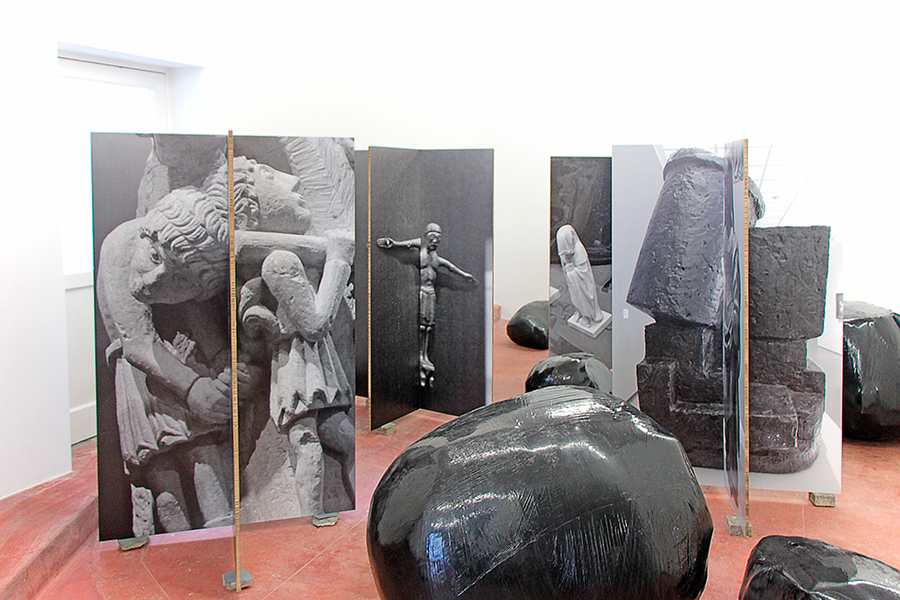
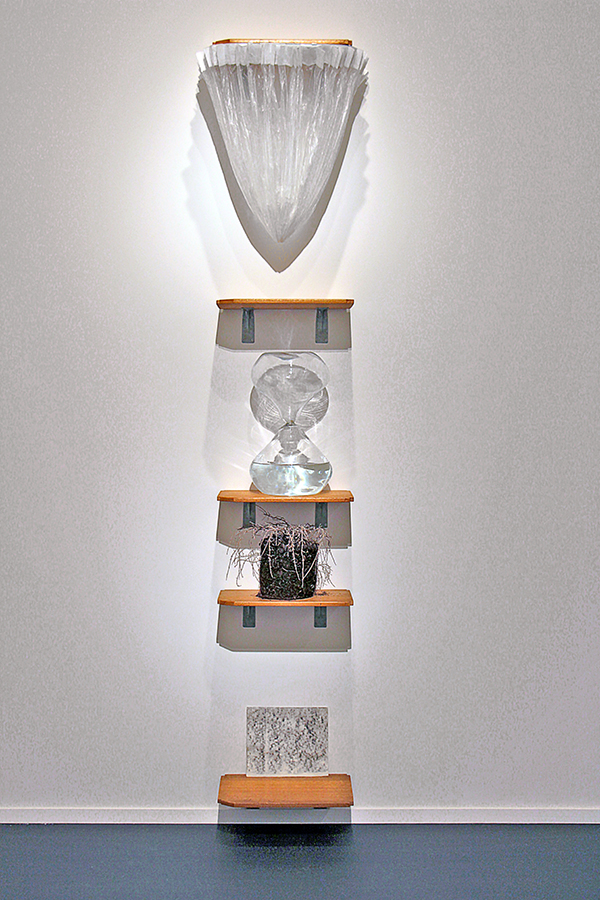
Quelques oeuvres existantes et de nombreuses créées pour l’occasion ont émergé au terme d’un long processus de transformation de l’espace en atelier de déconstruction, d’inventaire et de création. La scénographie existante a été démembrée planche par planche, en partie recréée ou reproduite par le dessin, pour devenir une sculpture sur laquelle de nouvelles oeuvres ou traces écrites de la main de l’artiste sont venues se superposer. Ces nouvelles créations, faites de matériaux neufs ou réutilisés sont ce que l’artiste nomme des « Platzhalter » : des objets créant un pont entre leur fonction initiale et leur fonction nouvelle.

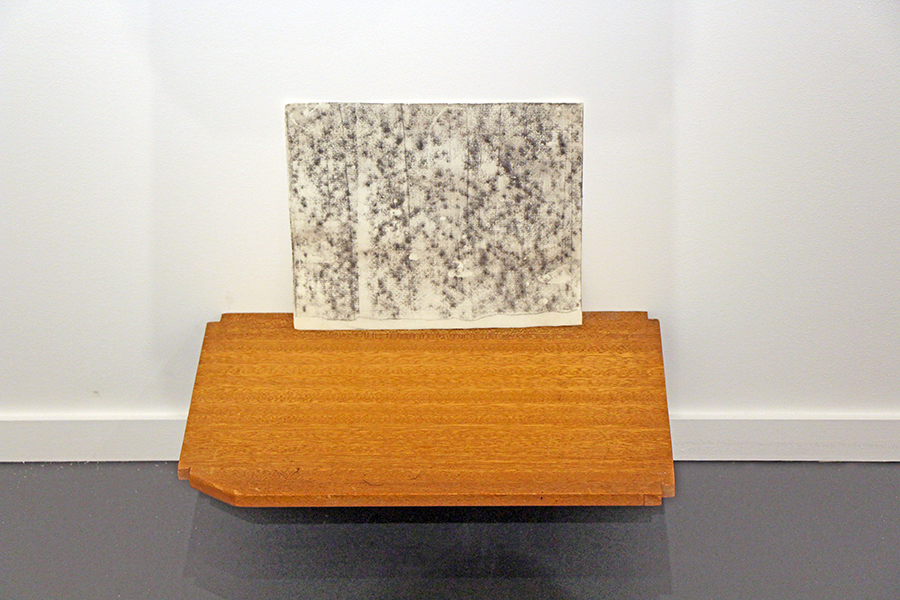
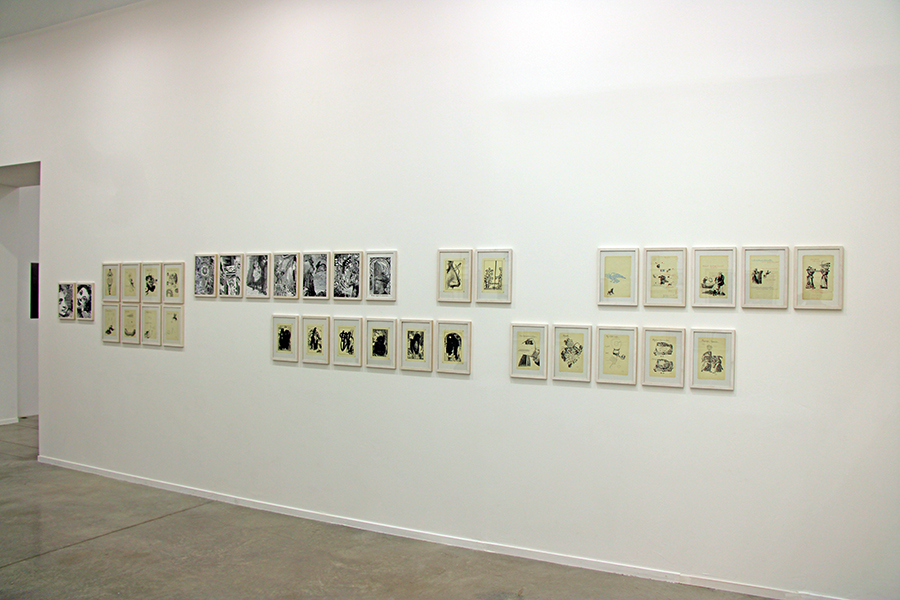
Une série de dessins inspirés par les mangas de Hokusai ont pris place dans l’unique salle où la lumière du jour ne parvient pas et où une porte menant vers une zone arrière a été réouverte. D’autres créations sur papier, soumises à la variation constante de la lumière naturelle, se déroulent et s’enroulent sur une ancienne étagère du bâtiment intégrée à une structure nouvelle ; d’autres encore trouvent leur place sur les murs ou dans la salle suivante, là où le temps météorologique et le temps philosophique se rejoignent. 

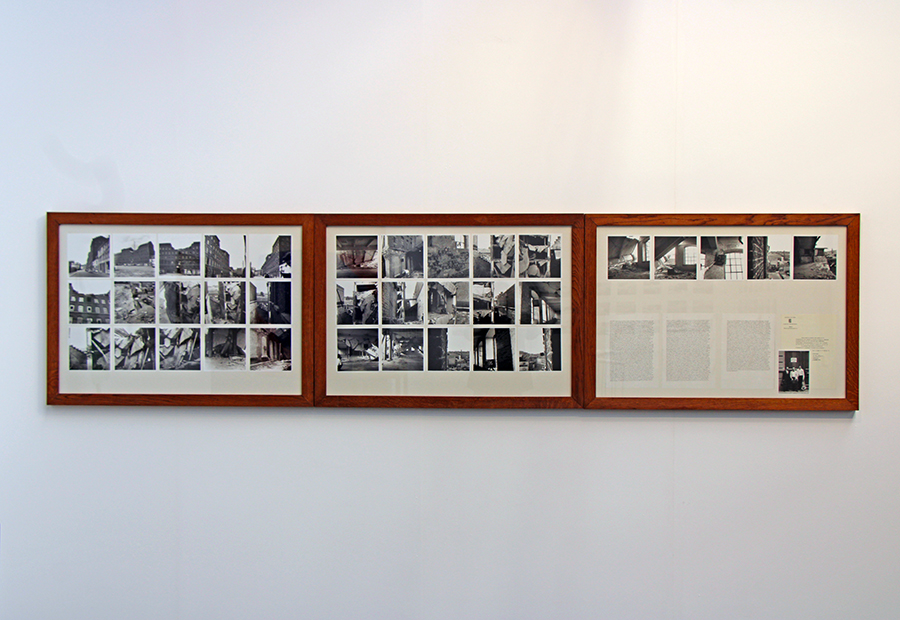
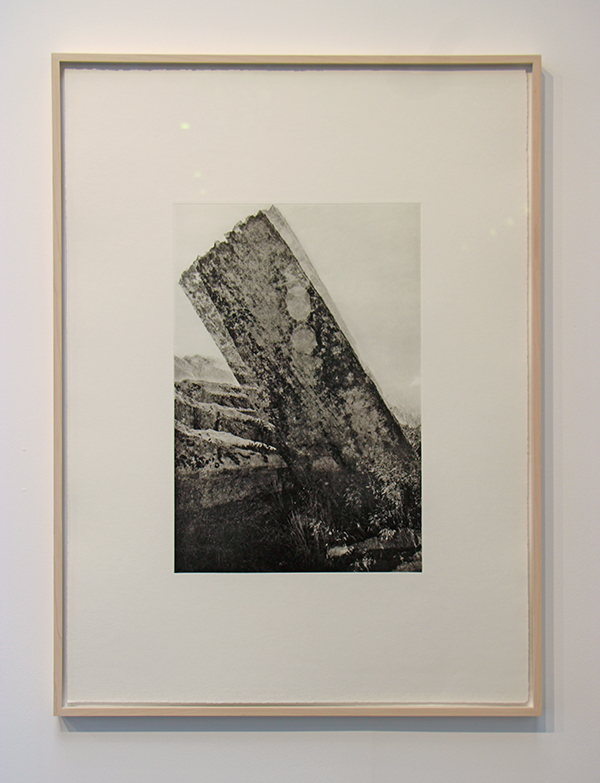
Ainsi rapportées par le dessin au graphite, au crayon ou à la gouache sur papier alimentaire, ou bien recomposées à partir de panneaux de bois, ces « oeuvres-inventaire » et les quelques traces mémorielles du bâtiment finissent par se déplier simultanément, laissant le visiteur se les approprier librement. Leur présence, construite au fil des semaines, constitue une archive concrète et sensible des lieux.

Alberta Sessa

The exhibition Renovation by the winner of the BelgianArtPrize 2025, Suchan Kinoshita (Tokyo, 1960), takes as its starting point the antechambers of the Centre for Fine Arts as they stood at the close of the previous exhibition. The artist uses them as the basis to create a new mise-enscene within the space in which elements already present are transformed and certain spaces that were dormant or invisible to the public are reactivated. 

Derived from the Italian word ‘anticamera’, the term antechamber generally refers to spaces of introduction, or spaces in which to wait before entering the main rooms of a house. They are also linked to the ‘genkan’, the intermediary space that gives access to the Japanese home, and which is a recurring theme and focus of attention in the artist’s work.

With their historic point of entry temporarily restored via the Rue Royale, it has been possible to literally ‘uncover’ the majority of these volumes from beneath the tarpaulins that were permanently blocking out the glass roofs, and to restore the natural variations of the light that depend on the time of day and the prevailing weather conditions.

A few existing works and many new ones have emerged over the course of a long period of transformation in which the space has become a temporary workshop for deconstruction, inventory, and creation. The structure of the previous scenography was dismantled plank by plank, and partly recreated, with the use of drawing, to become a sculptural entity on which new works or traces of the artist’s handwriting have been superimposed.

These fresh creations, made from entirely new or reused materials, are what the artist refers to as ‘Platzhalter’, intermediate objects that bridge the gap between an initial function and a new one. A series of drawings inspired by the manga of Hokusai have taken their place in the only room deprived of daylight, where a new doorway leading to an area at the rear has been opened back up. Other works on paper, subject to the constant variation of natural light, unfurl and unfold across a building’s old shelving—now freshly integrated into a brand new structure— or find their place on the walls or in the adjacent room, where the meteorological dimension of the weather merges with the philosophical dimension of Time.

Whether depicted in graphite, pencil, or gouache on the kind of paper normally intended for food, or recomposed from the boards, these inventory works and the remaining traces of the building end up revealing themselves simultaneously, allowing visitors the opportunity to make them their own. As the works have grown over the course of several weeks, their presence has become a concrete and sensorial archive of the space.

Alberta Sessa

Suchan Kinoshita, Rénovation, BOZAR, les images (2)

Suchan Kinoshita, Rénovation, BOZAR, les images (1)

Suchan Kinoshita, Réparation, BOZAR, Belgian ArtPrize opening 23.04

Suchan Kinoshita received the BelgianArtPrize 2025 and is invited to create and present new work at the Centre for Fine Arts Brussels / Bozar.

Suchan Kinoshita (Tokyo, 1960) lives and works in Brussels. She studied rhythmics and later contemporary music theatre at the music academy in Cologne from 1981 onwards. 

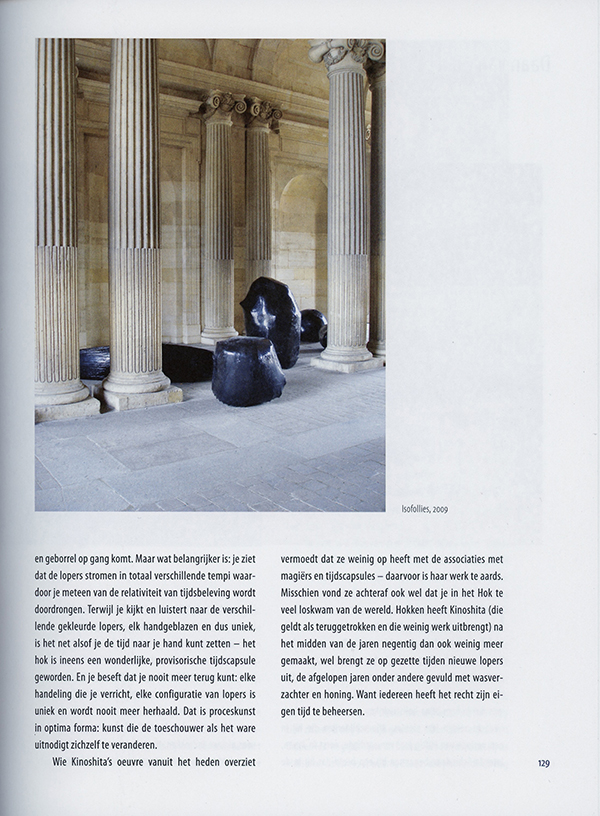
Kinoshita’s works deal with combinations of several disciplines. Throughout her oeuvre, one can find elements from theatre and experimental music, two fields in which she was active for some time. Duration (time) and a conscious approach regarding the position of the viewer are two important aspects in her work. No themes, rather an interest in reading between the lines would describe her engagement. Kinoshita considers her work as a space where different works interact with each other but also with the viewer. How these different roles are taken by different players within a specific spatial condition is something she continues exploring. Her work was shown in several international exhibitions.

24 april – 29 June 2025. Opening 23.04 at 7 pm 

Suchan Kinoshita, A faire ce jour, finissage samedi 11 janvier

La galerie Nadja Vilenne vous présente ses meilleurs voeux pour cette nouvelle année et a le plaisir de vous convier au finissage de l’exposition de Suchan Kinoshita, A faire ce jour, ce samedi 11 janvier 2025, de 11 à 18h

Et comme il s’agit de tourner la page, Suchan Kinoshita en fera de même, en retournant les pages de ce cahier A faire ce jour qu’elle expose, dévoilant les dessins au verso de ceux qui ont été exposés.

A faire ce jour, donc : visiter un tout nouveau display de cette exposition, qui ne sera accessible que ce jour, et peut-être quelques jours ensuite.

Galerie Nadja Vilenne wishes you all the best for the New Year, and is pleased to invite you to the opening of Suchan Kinoshita’s exhibition, A faire ce jour, this Saturday, January 11, 2025, from 11 am to 6 pm.

And as it’s about turning the page, Suchan Kinoshita will do the same, turning over the pages of the A faire ce jour notebook she’s exhibiting, revealing the drawings on the reverse of those that have been exhibited.

To do this day, then: visit a brand-new display of this exhibition, which will only be accessible on this day, and perhaps for a few days afterwards.